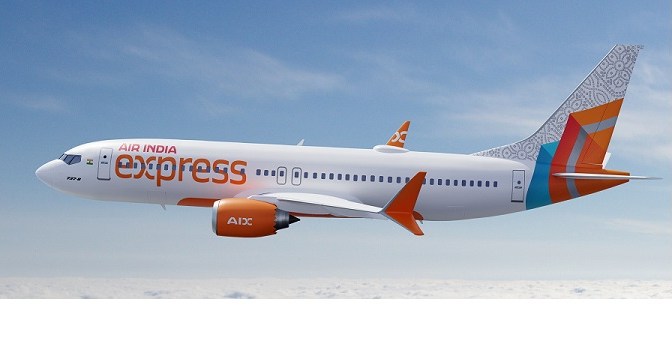
Bookings open from 27–31 May 2026, offering up to 50% savings on domestic and international flights, along with an additional 20% discount on seat selection and pre-booked meals.
Dubai, 27-May-2026: Air India Express announces the launch of its ‘Xpress Sale,’ offering 5 million seats with savings of up to 50% on Lite (Zero Check-in Baggage) and Value fares across its domestic and international network.The sale is open for bookings from 27 May to 31 May 2026, fortravel between 15 June to 10 October 2026. The airline is providing exclusive early access on its website, airindiaexpress.com, and mobile app on 27 May, before the sale opens across all major booking platforms from 28 May.
Reviewed the authority’s strategic projects’ progress
Bodour Al Qasimi: Our work goes beyond organising cultural events to building an integrated publishing and knowledge ecosystem
Board reviews the Authority’s 2025–2028 Digital Transformation Roadmap
Discussed expanding international participation programme across Europe, Asia, Africa and Latin America
The 44th edition of the Sharjah International Book Fair attracted +1.4 million visitors from 206 countries
India Roadshow brings together more than 190 Indian publishing houses and generates 120 professional collaborative opportunities
Translation Grant receives more than 2,098 applications from publishers and cultural institutions worldwide
Sharjah, May 26 2026,
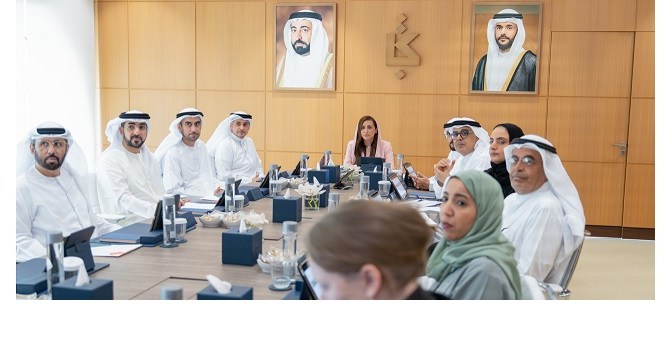
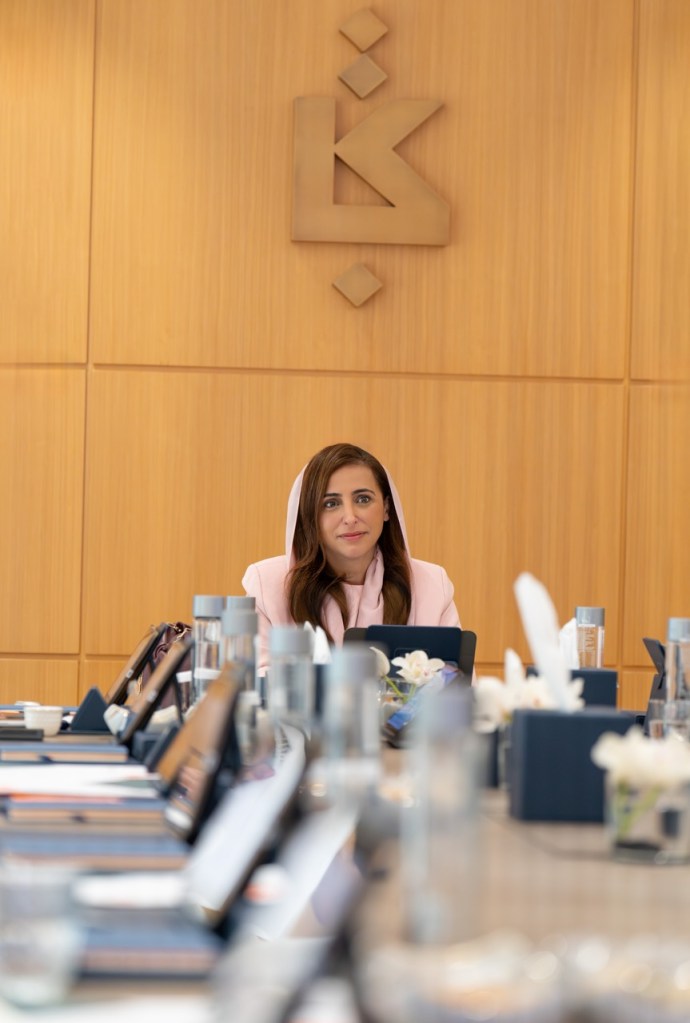
Her Highness Sheikha Bodour bint Sultan Al Qasimi, Chairperson of the Sharjah Book Authority (SBA), chaired a board meeting attended by board members and senior executives to review the Authority’s 2025–2028 Digital Transformation Roadmap, discuss the expansion of its international participation programme across Europe, Asia, Africa and Latin America, and assess progress on strategic projects aimed at strengthening the publishing sector’s readiness for rapid global industry shifts.
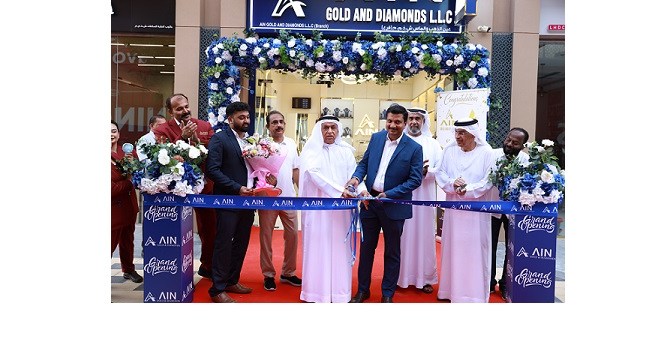
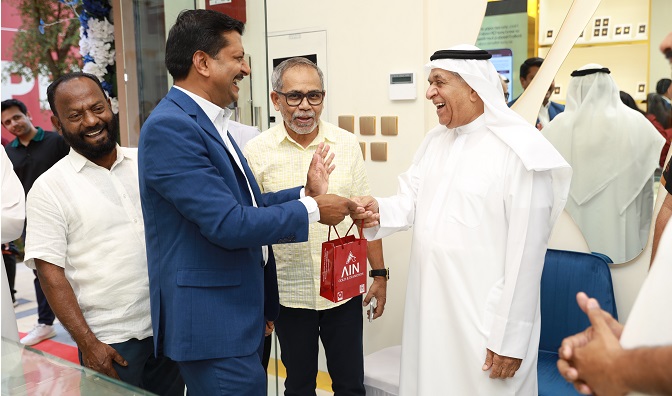
Ain Gold & Diamonds LLC. officially inaugurated its new branch on 22 May 2026 at the prestigious Dubai Gold District, near the Gold Souq Metro Station. Very famous philanthropist & businessman from UAE, The new showroom is located at: Ain Gold & Diamonds LLC. Shop 4, Shamma 3, Dubai Gold District, Near Gold Souq Metro Station, Dubai, UAE.
The new venture is an associate initiative of Ain Gold Wallet, a platform that has already created a strong impact in the gold saving sector through its innovative and customer-friendly approach. The platform allows customers to start saving in gold from as little as 1 Dirham onwards, making gold saving accessible to a wider community.
Designed with a modern customer experience in mind, the new showroom offers a wide collection of quality gold jewellery, saving products, and personalized customer services aimed at meeting the evolving preferences of both residents and international visitors in Dubai’s thriving gold market.
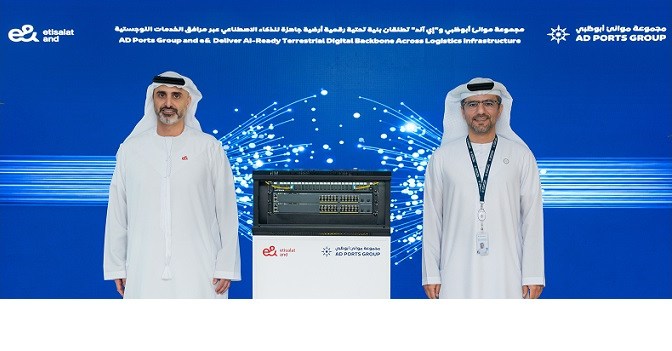
AD Ports Group and e& Deliver AI-Ready Terrestrial Digital Backbone Across Logistics Infrastructure
• New initiative brings high-capacity, real-time operational synchronicity across AD PortsGroup’s infrastructure, advancing the Group’s digital transformation plan
• Integration of terrestrial, wireless, and satellite communications network strengthensthe Group’s digital connectivity
Abu Dhabi, UAE – 21May 2026:AD Ports Group (ADX: ADPORTS), a leading global enabler of trade, industry, and logistics solutions, and e& UAEtoday announced the successful deployment ofan AI-ready high-capacity terrestrial connection, linkingmajor maritime and logistics assets across the Group’s portfolio.
The Rail Effect Analysis: Three Ways Digital Infrastructure Will Evolve Alongside UAE Rail
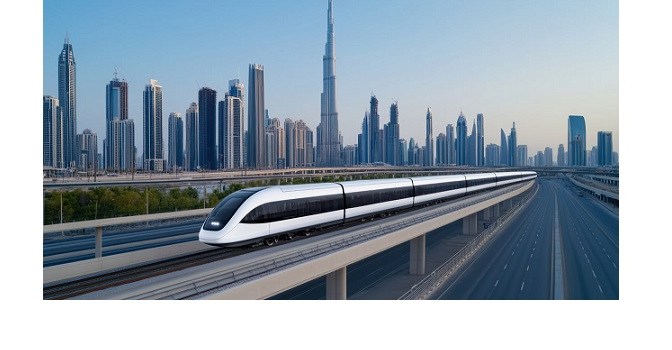
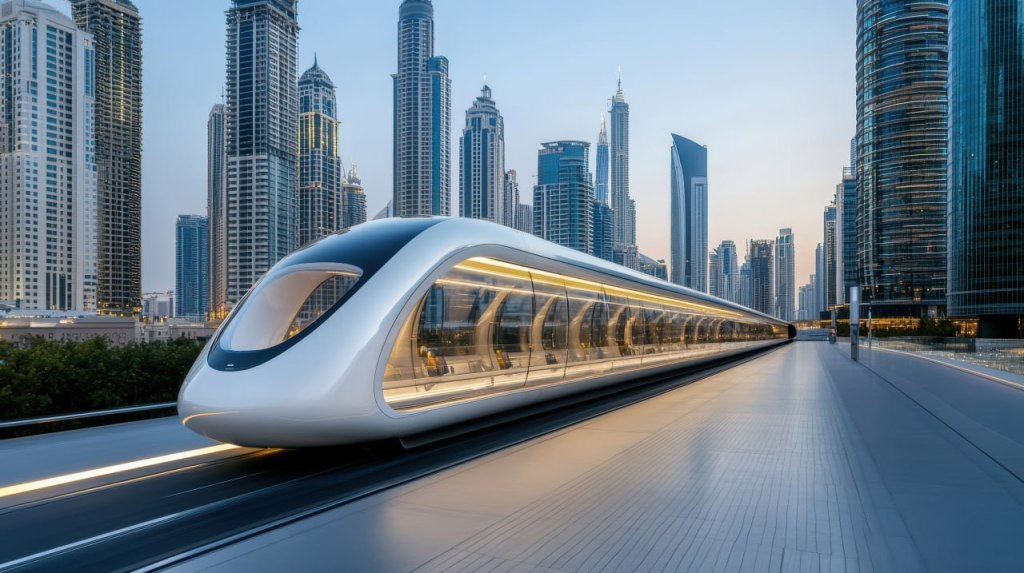
Etihad Rail represents a significant step in the UAE’s national mobility system, with implications for how people live, work, commute and how businesses plan across emirates.
The scale is considerable. Etihad Rail expects annual ridership to reach 36.5 million passengers by 2030, while the broader UAE Railway Programme is backed by AED 50 billion in investment and is projected to generate AED 200 billion in economic and developmental value.
This will affect not only intercity travel, but also the way stations, roads, public transport and last-mile services operate around the network. The next phase will depend on how effectively stations are integrated into the broader urban ecosystem. While the rail network provides the national mobility backbone, the digital layer around it determines how efficiently people and businesses can use it.
Islam Abdul Karim, Regional Head of Yango Group Middle East, outlines three ways digital infrastructure will evolve alongside the UAE’s emerging rail connectivity and what this means for the next phase of urban life.
1. The journey will be measured point-to-point, not station-to-station
Rail solves the intercity journey, but it does not automatically solve the full point-to-point journey. If a passenger saves time between emirates but loses that time finding transport after arrival, the value of the rail journey is reduced.
Daily urban movement already depends on connected, multi-modal journeys rather than a single mode of transport. According to RTA data, public transport, taxis and shared mobility services in Dubai recorded substantial usage in 2025, including 120 million taxi journeys and more than 41 million shared mobility rides. This shows how strongly passengers already rely on different mobility layers to complete their journeys.
Last-mile integration is therefore a core part of the rail experience, not an add-on. Research shows that at least 15 per cent of the decision to use public transport depends on last-mile factors alone. The more predictable and efficient the connection between the station and the final destination, the more useful rail becomes for daily commuters, business travellers, residents and visitors.
For Etihad Rail, where stations are located across a largely car-dependent urban landscape, this challenge is particularly pronounced. Etihad Rail has acknowledged it directly, exploring integration with public transport, taxis and ride-hailing providers to support door-to-door connectivity.
Yango Group’s MoU with Etihad Rail reflects this approach. The agreement focuses on operational alignment at and around stations: designated pick-up and drop-off zones, streamlined vehicle access and peak-hour traffic coordination. A second phase will explore technical integration between the two platforms, enabling passengers to plan and book complete journeys, including rail tickets and ride-hailing, through a single interface.
2. Stations will become connected service hubs, not just transport points
The role of a station is changing. In a traditional transport model, a station is where passengers arrive or depart. In a connected urban system, it becomes a hub where mobility, information and everyday services converge.
According to the UIC Customer Experience report, stations of the future are no longer defined by their physical infrastructure alone, they are evolving into smart service environments. The report identifies digital information and seamless intermodality as two of the core drivers of passenger satisfaction and repeat use of rail.
Passengers will therefore need more than a timetable. They will expect real-time guidance on transport options, station navigation, nearby services, pick-up areas, public transport availability, taxi access, payments and service updates. For visitors, this may also include local recommendations and support in navigating unfamiliar areas.
This requires digital coordination around the station environment. Ride-hailing, public transport, maps, routing engines, traffic data, payments and last-mile options need to work together so that the station becomes part of a seamless urban experience rather than a standalone transport point. This is where ecosystems such as Yango Group’s can support the shift, connecting digital services around passengers’ evolving expectations.
3. Real-time intelligence will help cities adapt to new movement patterns
As rail changes how people move between emirates, it will also change how cities operate around stations. New passenger flows will influence traffic on access roads, demand for taxis and buses, movement between residential and business districts, and the way people plan work, leisure and tourism across the country.
These patterns will not be fixed. A station may see strong commuter demand on weekday mornings, family and leisure traffic on weekends, higher visitor flows during major events, and seasonal peaks linked to tourism. Each scenario creates a different operational challenge: where vehicles should wait, how pick-up areas should be managed, when public transport frequency should increase, and which roads may face pressure. Digital infrastructure helps cities understand and respond to these shifts in real time.
Dubai’s experience already demonstrates the value of this approach: RTA has reported that its Intelligent Traffic Systems helped reduce journey times by 20 per cent, improve incident monitoring by 63 per cent and cut response times by 30 per cent. In 2025 RTA also launched the Transport Data Analysis Laboratory at the Enterprise Command and Control Centre, a dedicated facility formonitoring, collecting and analysing transport data to support decision-making at both strategic and operational levels.
As rail creates new movement patterns around stations, similar real-time coordination will become essential for managing station access, road pressure and onward mobility. Digital ecosystems such as Yango Group’s can support this by connecting ride-hailing access, routing, demand signals and operational coordination around station environments.
For example, if data shows a recurring surge in arrivals at a station after a major event or during peak commuting hours, transport operators can adjust vehicle allocation, manage pick-up zones more efficiently and reduce congestion before it builds. Anonymised mobility data can in this way support better traffic planning, demand forecasting, and infrastructure decisions, improving the efficiency and reliability of the wider urban system.
 UAE News 24/7