Summer in the UAE is not just a seasonal shift, it is a test of how homes are designed to perform. With rising temperatures and longer periods of intense sunlight, residential spaces are increasingly expected to do more than look good; they must actively support comfort.
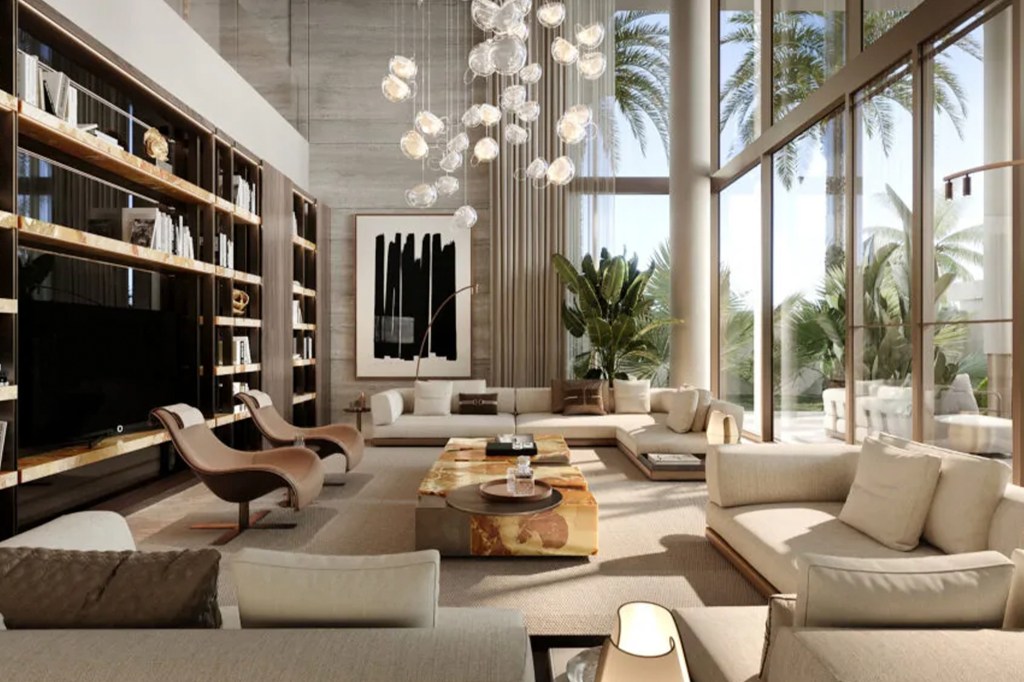
Rather than relying solely on mechanical cooling, small but intentional design decisions can significantly reduce heat gain and improve how a home feels throughout the day. Here are five approaches that can make a measurable difference by NKEY Architects.
Let Minimalism Do the Cooling
Summer is an opportunity to reassess what a home is carrying; visually and physically. Heavy furniture, cluttered surfaces, excessive textiles, and bold colour palettes can make interiors feel more intense.
A useful starting point is to edit the home with intention. Reviewing furniture, kitchen items, and appliances—and removing what is no longer needed—creates immediate spatial relief. This sense of openness allows light to travel further and air to circulate more freely, improving both comfort and perception of space.
Colour plays a functional role. Lighter tones and softened natural materials help create a cooler visual environment, while darker shades tend to absorb and intensify the effect of direct sunlight. Even a simple wall adjustment can shift the atmosphere of a room.
Beyond interiors, comfort also begins at the building edge. Controlling how much sunlight enters the home is one of the most effective passive cooling strategies. Shading systems that filter harsh light and introduce a buffer zone between exterior and interior surfaces help reduce heat transfer into the building envelope, improving overall thermal performance without relying on mechanical systems.
Turn the Backyard Into a Night-Time Retreat
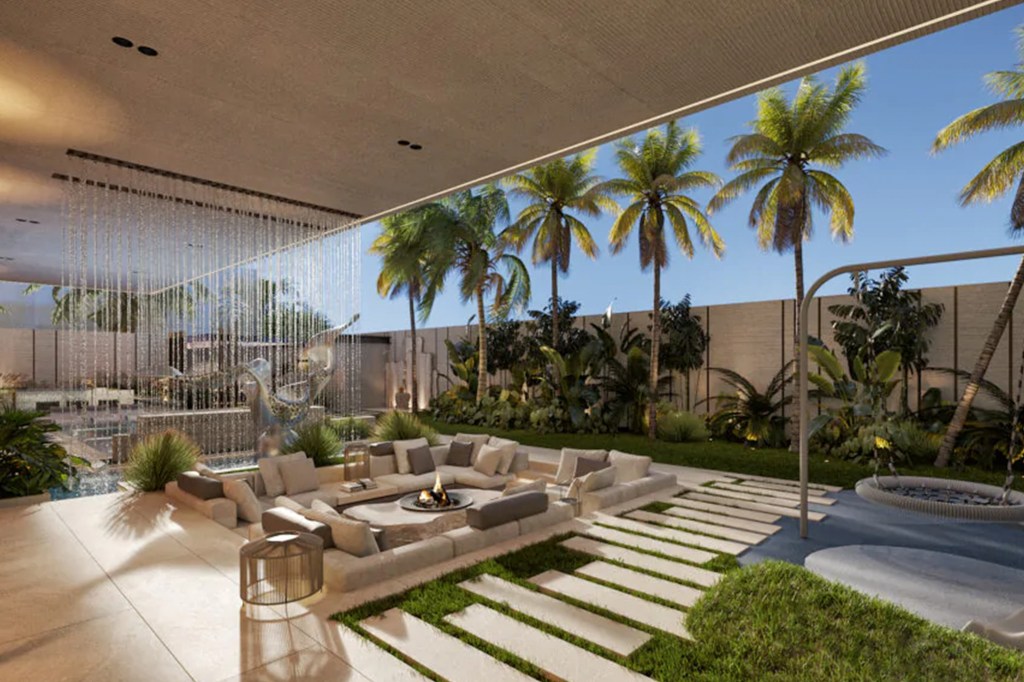
While daytime outdoor living in peak UAE summer can be challenging, evenings offer a completely different opportunity to reclaim outdoor spaces. A balcony, terrace, porch, or backyard can be reimagined as a night-time retreat designed around comfort.
Comfortable seating, soft layered lighting, gentle cooling fans, and weather-resistant furniture can transform an underused outdoor area into a calm and inviting extension of the home after sunset.
Material selection plays an important role in durability and comfort. Naturally resilient materials such as teak wood perform well in high temperatures and humidity, while also aging gracefully outdoors. This can be complemented with softer layers by including cushions, lanterns and warm string lighting to create a relaxed, lived-in atmosphere.
Greenery further enhances the spatial quality of outdoor areas. Layered planting across different heights introduces depth and softness, helping to reduce the harshness of built surfaces. Potted palms, hanging planters, and climbing plants can quickly shift even compact balconies into more shaded, and refreshing environments.
Bring the Outdoors Inside
For those who prefer to stay indoors during summer, biophilic design offers a simple yet effective way to reconnect interior spaces with nature. Beyond aesthetics, greenery plays a functional role in improving indoor environmental quality. Plants including areca palm, snake plant, peace lily, and aloe vera, are particularly well-suited to UAE homes, due to their resilience in controlled indoor conditions. When thoughtfully positioned, planting can introduce a subtle sense of freshness while softening architectural surfaces and interiors.
Water elements can further enhance this effect. Small indoor fountains or cascading features help create a more stable and calming microclimate. The movement and sound of water add a sensory layer that offsets the intensity of outdoor heat, making interior spaces feel more grounded.
Choose Materials That Work With the Climate
Natural materials such as stone, clay, and adobe contribute to a more stable indoor environment due to their high thermal mass, allowing them to absorb heat during the day and release it gradually as temperatures drop.
Additionally well-insulated walls, roofs, and flooring systems help regulate internal temperatures more effectively, reducing heat gain and limiting reliance on mechanical cooling.
Complementary natural materials such as bamboo, cork, and plant-based fibres can further support a healthier indoor environment. When used appropriately, they contribute to a more balanced material palette suited to the regional climate.
Make Small Changes With Big Impact
Windows are among the primary points of heat gain in residential design. Managing direct sunlight through layered solutions such as blackout curtains, thermal blinds, UV-filtering sheers, and heat-reducing films can significantly reduce solar penetration while still allowing natural daylight to filter through.
In homes with larger glazing areas or open-plan layouts, motorised shading systems offer a more responsive solution, automatically adjusting based on time of day or indoor temperature to maintain visual comfort and thermal balance.
Interior layout also plays an important role in airflow efficiency. Keeping furniture clear of windows and avoiding obstruction of cross-ventilation paths helps air circulate more effectively—particularly in villas and low-rise homes where natural ventilation can still be leveraged.
Ultimately, summer-ready design is about responsiveness rather than transformation. Through considered editing, strategic shading, the integration of greenery, and the use of climate-appropriate materials, homes in the UAE can become more adaptive environments and more comfortable throughout the season.
 UAE News 24/7