By Mithilesh Fichadia, Founder and CEO of Tattvam Capital Markets
The global entrepreneurial landscape is undergoing a significant shift, and at the heart of this transformation is the Middle East. In 2026, as traditional markets face economic headwinds and geopolitical uncertainty, the Gulf Cooperation Council (GCC) region is emerging as a beacon of growth and innovation. Despite regional tensions, entrepreneurs from around the world are increasingly choosing the Middle East as their next growth market, drawn by its robust economic resilience and its commitment to fostering a world-class business environment.
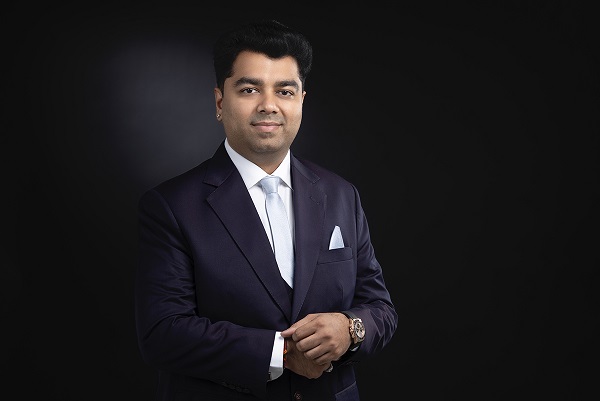
Mithilesh Fichadia, Founder and CEO of Tattvam Capital Markets
One of the primary drivers of this growth is the region’s ability to maintain a stable and predictable business environment despite external pressures. The UAE’s financial system, for instance, has demonstrated remarkable resilience during extraordinary circumstances, providing a “safe haven” for global investors [1]. This stability is a significant draw for entrepreneurs looking for a reliable base in an increasingly uncertain global market. The GCC region’s growth is projected to rise to 4.4% in 2026, ranking it among the top growth markets globally [2].
In my experience within the finance industry, I have seen firsthand how the Middle East’s strategic vision and its commitment to innovation have set it apart from other global business centers. The region’s focus on emerging sectors like fintech, digital assets, and AI is creating a fertile ground for innovation and attracting a diverse range of entrepreneurs. The fintech market in the UAE alone is estimated to reach $52.07 billion in 2026, with a projected growth to $90.06 billion by 2031 [3]. This forward-thinking approach has created a dynamic, innovation-driven ecosystem that is shaping the future of global business.
The Middle East’s strategic location also plays a crucial role. Situated at the crossroads of East and West, it serves as a natural bridge between the established markets of Europe and the rapidly growing economies of Asia and Africa. This geographic advantage, combined with world-class infrastructure and a highly skilled, multicultural workforce, makes the region an ideal hub for firms looking to expand their global footprint. The “Age of Agility” is a key theme shaping the MENA region in 2026, as businesses adapt to new technologies and market dynamics [4].
Looking ahead, the Middle East’s role as a global growth market is set to become even more significant. The region’s commitment to economic diversification and its proactive approach to regulation are creating a wealth of opportunities for entrepreneurs to innovate and grow. As the global economic order continues to shift, the Middle East is well-positioned to lead the way, providing a stable and prosperous home for the next generation of global business leaders.
In conclusion, the Middle East’s rise as a preferred growth market for entrepreneurs is a reflection of its visionary leadership and its commitment to fostering a world-class business environment. For entrepreneurs and investors alike, the region offers a unique combination of opportunity, stability, and innovation that is hard to find anywhere else in the world. The era of the Middle East as a global business powerhouse has truly arrived.
References
 UAE News 24/7