A quick, painless test helps people take preventive action before a cardiac emergency
22 January 2026; Ras Al Khaimah, UAE– Heart attacks are no longer confined to a particular age group or lifestyle and increasingly, they strike without warning. Many people who suffer a cardiac event have never experienced symptoms beforehand, leaving little time to react. Cardiologists say this is precisely why the conversation around heart health needs to change from reacting to emergencies to preventing them altogether.
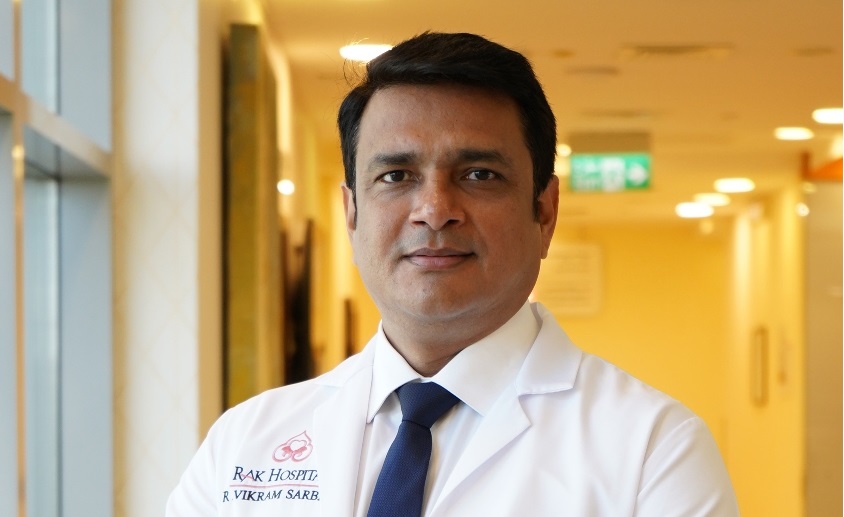
Cardiac specialists at RAK Hospital are urging individuals to take a proactive approach through Coronary Calcium Scoring, a quick, non-invasive scan that can help reveal the risk of a coronary event long before it happens.
“When heart disease is silent, waiting for symptoms can be dangerous. Many patients who suffer heart attacks have never experienced chest pain or other warning signs. Coronary Calcium Scoring allows us to uncover hidden risk early, when preventive care can be most effective,” says Dr. Adil Rizvi, Medical Director and Cardiothoracic Surgeon at RAK Hospital. “A test that takes just a few minutes can provide vital insight into a person’s heart health and help guide preventive action.”
Coronary Calcium Scoring works by detecting calcium deposits in the coronary arteries — an early sign of plaque build-up that can restrict blood flow to the heart and increase the likelihood of a heart attack. The scan is painless, non-invasive, and requires no injections or hospital stay, yet it offers a clear picture of underlying risk.
The test typically takes 15–30 minutes in total. Most of the time is spent on preparation, including check-in and placing EKG leads, while the actual CT scan is very fast often just about 5 minutes — during which patients lie still and hold their breath for short intervals.
What makes this test especially powerful is the opportunity it creates. By understanding their calcium score early, individuals can take timely precautions whether that means lifestyle changes, closer monitoring, or medical intervention well before a cardiac emergency occurs.
Studies show that the presence of coronary calcium, as measured by the score, correlates strongly with long-term cardiovascular risk. People with a positive CAC score have a significantly higher chance of major cardiac events compared with those whose score is zero
The scan is particularly recommended for adults over 40 and for those with risk factors such as a family history of heart disease, high cholesterol, diabetes, smoking, obesity, or chronic stress — even if they feel healthy and active.
As heart attacks continue to affect people with no prior warning signs, cardiologists emphasise that prevention today is about knowledge, timing, and early action. “Prevention doesn’t always require complex procedures,” added Dr Rizvi. “Sometimes, it starts with a simple scan that helps you understand your risk and act before it’s too late.”
Through greater awareness of non-invasive screening tools like Coronary Calcium Scoring, RAK Hospital continues to reinforce a simple but powerful message: protecting your heart may begin long before symptoms appear.
RAK Hospital’s Cardiac Sciences Department offers comprehensive cardiac care, encompassing preventive screening, non-invasive and interventional cardiology, and advanced cardiac surgery. Supported by modern diagnostic imaging, a fully equipped cardiac catheterization laboratory, and 24/7 critical care services, the department manages a wide spectrum of cardiovascular conditions with a focus on evidence-based, patient-centred care.
For more information, please visit www.rakhospital.com
 UAE News 24/7