2ndInternational Conference on Philosophy successfully concludes with key accomplishments
Abu Dhabi, UAE; February 9, 2024
The 2ndInternational Conference on Philosophy concluded in Abu Dhabi today with a number of key accomplishments and recommendations that are expected to impact the study and practice of philosophy locally and internationally.
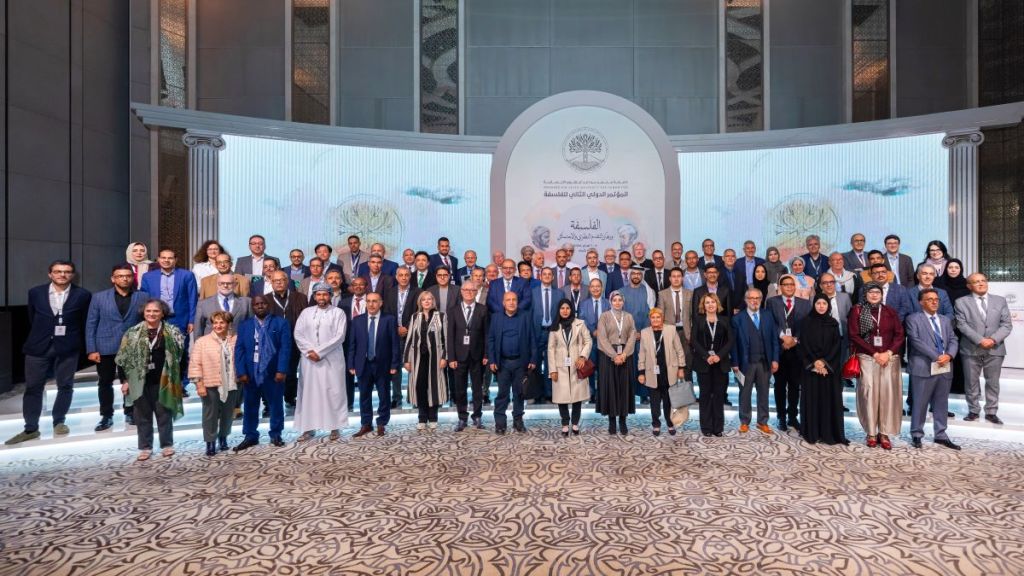
Held in Abu Dhabi and organized by the Mohamed Bin Zayed University for Humanities, the conference was attended by more than a thousand delegates, including renowned thinkers, academics and scholars, who gathered over two days to discuss a wide range of philosophical topics and issues. A number of research papers were also presented during the event.
The conference presentations, workshops and discussions were based on the selected theme for this years, edition, “Philosophy and its Impact on Theoretical and Social Progress.”
The conference is part of the university’s series of academic conferences that it is organizing to build intellectual and philosophical capabilities among students, practitioners and scholars within the country as well as abroad.
As part of the conference outcomes, several recommendations and proposals were put forward. These include the establishment of a chair for Islamic philosophy at Mohamed Bin Zayed University for Humanities, , providing graduate students with the opportunity to present their research, and encouragingthe development of philosophical and intellectual writing through the university.
Another new initiative, Religion and Science Series, was proposed. It is a research series that juxtaposes perspectives on religion and scienceand seeks to develop philosophical and sociological research on progress- from concept to practice.
The program aims to achieve a new educational approach by integrating science within some academic courses in order todevelopthe educational process, revive and renew contemporary Arab philosophical discourse, stripping it of ideological dimensions; as well as infuse academic programs and courses with philosophical topics.
Other notable recommendations included allocation a space for teaching philosophy to children and opening areas of academic exchange through visiting professors as well as providing scientific resources from the latest publications to researchers. Research papers presented during the conference will also be published.
Delegates were unanimous in recommending a third edition for the conference and the proposed theme was “The Interrelationship between Science, Ethics, and Religion”.
Meanwhile, the conference also resulted in achieving a number of milestones and accomplishments. These include the signing a partnership agreement between Mohamed Bin Zayed University for Humanities and the French Center for Islamic Studies, enhancing dialogue between Arab and foreign scholars, reviewing the latest interests and achievements in research as well as affirming the role of philosophy in promoting the values of tolerance, coexistence and dialogue.
The conference has also been instrumental in broadening the discussions on philosophy to include other fields of study, such as aesthetics, humanities, and sciences of various kinds.
His Excellency Dr. Khalifa Mubarak Al Dhaheri, chancellor of Mohamed Bin Zayed University for Humanities, thanked the country’s wise leadership for sponsoring the event in the capital of philosophy, Abu Dhabi, which hosts other prominent cultural and intellectual activities and landmarks. He stressed that the conference achieved great success in achieving its objectives and praised the role of participating delegates in enriching the activities and deliberations of the conference with their knowledge and experience. The chancellor also noted that the recommendations that came out of the conference would enhance the areas of research and study in the relationship of philosophy to theoretical and social progressand introduce the philosophical scientific community to the projects of the Mohamed Bin Zayed University for Humanities.
Al Dhaheri stressed the university’s keenness to follow up on the recommendations and implement them on the ground, expressing the university’s appreciation to all participants who enriched the conference sessions with their interventions and expertise in this vital field.
#
 UAE News 24/7