Across the region, interior design and architecture are entering a more deliberate, value-driven phase. Rapid urban expansion continues, but the focus has shifted from visual impact alone to how spaces perform, age, and support modern lifestyles.
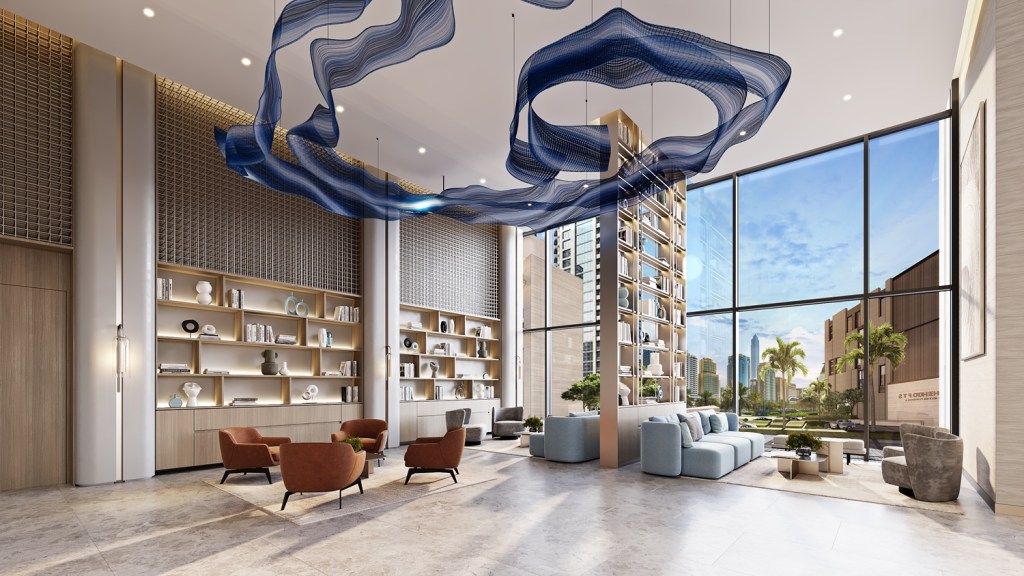
Studies show that the global home décor and interior market is projected to grow from $747.75 billion in 2024 to $1.09 trillion by 2032, driven largely by demand from fast-growing urban regions such as the Middle East.
Within the GCC, government-led development, Vision 2030 programmes, and large-scale mixed-use projects are reshaping how residential, hospitality, and commercial interiors are being conceived. Based on Opāal Interiors’s research, regional market analysis, and on-ground project experience across residential, commercial, and mixed-use developments, 2026 will be defined by a new generation of interiors—refined, functional, and deeply intentional.
According to the research, six interior design trends are shaping the region in 2026.
1. Material-led design is replacing decorative excess
Opaal research found a decisive shift away from surface-level ornamentation toward interiors defined by material quality, craftsmanship, and longevity. Natural stones, engineered wood, textured metals, and bespoke joinery are increasingly favoured over trend-driven finishes.
Premium developments across the GCC are prioritising “timeless material palettes” to protect long-term asset value and reduce refurbishment cycles. Design is becoming quieter, but execution is more exacting, placing greater emphasis on detailing, proportions, and material transitions.
2. Sustainability is now embedded into interior specifications
Sustainability has moved beyond architectural shells and into interior fit-outs. Developers and asset owners are increasingly prioritising long-lasting, timeless, and durable material selections, alongside locally sourced products that help reduce carbon impact over the project lifecycle.
The UAE alone ranks among the top global markets for green-certified buildings, with over 800 LEED-certified projects. Regulatory pressure and ESG reporting requirements are accelerating this shift across the GCC. As a result, interior design decisions are now evaluated through both environmental and lifecycle performance lenses.
3. Residential interiors are becoming hospitality-inspired
As branded residences, serviced apartments, and lifestyle-led communities grow across Saudi Arabia and the UAE, residential interiors are borrowing heavily from hospitality design language.
Branded residences in the Middle East are expected to grow by more than 60% by 2030, driving demand for hotel-grade finishes, elevated material palettes, and refined spatial planning within private homes. Research also shows that end-users increasingly expect residential interiors to deliver the same sense of arrival, comfort, and material richness traditionally associated with high-end hotels.
4. Design clarity is becoming central to large-scale developments
With compressed project timelines and increasing construction complexity, developers are placing greater value on strong design leadership and structured oversight throughout project delivery. Clear design development, coordination, and quality control have become essential to minimising risk, avoiding rework, and maintaining consistency from concept through completion.
This approach is particularly critical in large-scale mixed-use and hospitality projects, where alignment between architecture, interiors, and building systems directly influences performance, cost predictability, and overall project success.
5. Commercial spaces are designed for adaptability, not permanence
Office and retail interiors across the GCC are being reimagined as flexible environments that can evolve with changing tenant needs. Modular layouts, reconfigurable partitions, and durable finishes are now prioritised over fixed design schemes.
The UAE flexible office space market size is projected to reach $1.81 billion by 2030, influencing how commercial interiors are planned and delivered. With this increase, adaptability is now a core design requirement, not a secondary consideration.
6. Design value is measured by longevity, not trend relevance
Perhaps the most defining trend of 2026 is a recalibration of how “good design” is measured. Rather than visual novelty, clients are assessing interiors based on durability, maintenance efficiency, and how well spaces age over time.
Long-term asset optimisation is becoming a priority across real estate and hospitality investments in the GCC. For interior specialists, this places renewed importance on precision, material intelligence, and execution quality, areas where experience and process matter as much as creative vision.
As the GCC’s built environment matures, interior design and architecture are becoming less about visual impact alone and more about performance, resilience, and long-term value. Opaal’s research underscores a clear direction for 2026: spaces that are thoughtfully designed, meticulously executed, and built to endure.
 UAE News 24/7