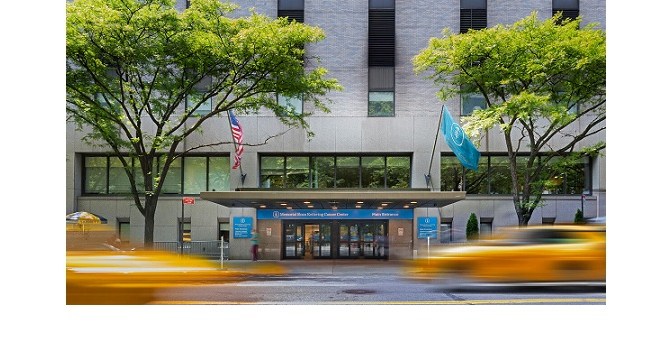
Combining artificial intelligence and nanoscale sensors, the research demonstrates a new approach that could potentially detect and distinguish different types of brain tumors
DUBAI, RIYADH, DOHA 19 January 2026 – Researchers at Memorial Sloan Kettering Cancer Center (MSK) have developed an ultrasensitive diagnostic test that could change how brain tumors are detected, offering a less invasive alternative to surgery and the potential for faster diagnosis. The research, led by an MSK cancer engineering laboratory, demonstrated that the test was able to detect and classify different types of brain tumors with up to 98% accuracy in early studies.
The technology combines artificial intelligence with ultra-sensitive carbon nanotube sensors, tiny rod-shaped particles nearly 100,000 times thinner than a human hair, to analyze blood samples for subtle protein changes linked to brain tumors and the body’s immune response. Brain tumors rarely release enough material into the bloodstream to be detected by standard tests, meaning diagnosis often requires invasive procedures or surgery. In the future, this blood-based approach could help doctors identify tumors earlier, guide treatment decisions, and reduce risks for patients.
Brain and central nervous system cancers remain a significant health challenge across the Middle East, with UAE national cancer registry data showing they are among the most commonly diagnosed cancers in children.
Unlike traditional liquid biopsies that look for tumor DNA, which is often scarce in brain cancers, this new MSK approach examines broader protein patterns in the blood. Early findings suggest it can also distinguish between common brain tumor types, such as glioblastoma and meningioma. As more samples are analyzed, the researchers will continue refining the nanosensor technology to improve accuracy and identify additional biomarkers linked to brain tumors. In the short term, the liquid biopsy could be helpful for doctors assessing people at higher risk for brain tumors, either because they have a family history or have certain symptoms.
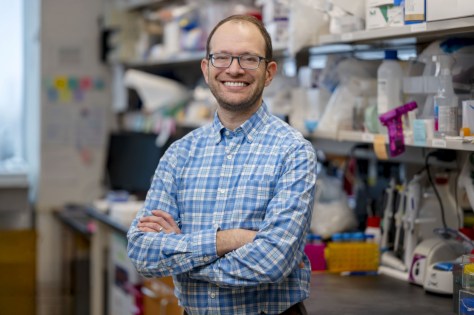
Biomedical engineer Dr. Daniel Heller heads the Cancer Nanotechnology Laboratory, which invents disruptive technologies to revolutionize the diagnosis and treatment of cancer and allied diseases. Dr. Heller and his team have previously demonstrated the promise of carbon nanosensors to detect ovarian cancer.
“We hope to use this technology to develop a clinical test that could improve diagnosis, as well as to discover even more biomarkers that shed light on the diseases,” says Dr. Heller.
For Middle East health systems investing in advanced diagnostics and precision medicine, the findings suggest that a liquid biopsy for brain cancers is now one step closer to reality.
For more information on the work of the Heller Lab please see here.
###
About Memorial Sloan Kettering Cancer Center (MSK)
The people of Memorial Sloan Kettering Cancer Center (MSK) are united by a singular mission: ending cancer for life. Our specialized care teams provide personalized, compassionate expert care to patients of all ages. Informed by basic research done at our Sloan Kettering Institute, scientists across MSK collaborate to conduct innovative translational and clinical research that is driving a revolution in our understanding of cancer as a disease and improving the ability to prevent, diagnose, and treat it. MSK is dedicated to training the next generation of scientists and clinicians, who go on to pursue our mission at MSK and around the globe. One of the world’s most respected comprehensive centers devoted exclusively to cancer, we have been recognized as one of the top two cancer hospitals in the country by U.S. News & World Report for more than 30 years and ranked as the best hospital in the world for oncology according to Newsweek’s World’s Best Specialized Hospitals 2026 list. http://www.mskcc.org.
 UAE News 24/7