Crocodiles are among the oldest living creatures on Earth, tracing their origins back millions of years. These enigmatic reptiles are not only a testament to the evolution of nature through the ages but also play a crucial role in maintaining the balance of ecosystems in the lakes, rivers, and swamps they inhabit. Yet today, rare crocodile species face existential threats that jeopardize their survival in the wild.
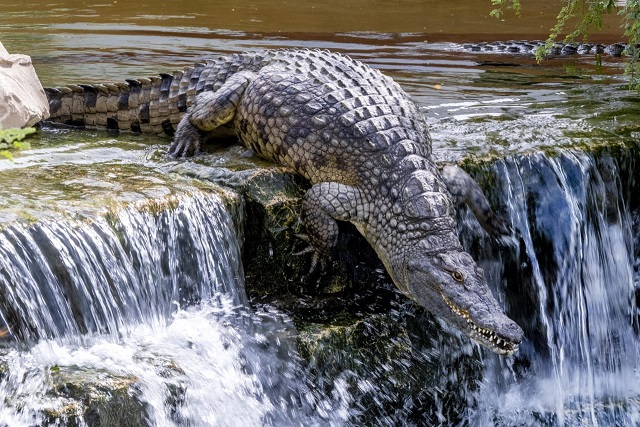
Environmental reports reveal alarming declines in several rare crocodile species, such as the Indian gharial, known for its distinctive long snout resembling a beak, and the Siamese crocodile of Asia. Gharial numbers have plummeted to fewer than 200 individuals in the wild, while the Siamese crocodile population is estimated at just 250. These staggering figures place them among the most endangered species, highlighting the immense pressures they face, including habitat loss due to urban expansion and agriculture, poaching, and the impacts of pollution and climate change.
Amid this critical situation, parks and nature reserves play a pivotal role in protecting these species. One standout example is the Dubai Crocodile Park, which is actively working to prevent the extinction of crocodiles through educational and awareness initiatives. The park hosts a range of activities, such as hosting school visits, featuring guided tours and interactive workshops for adults and children to deepen their understanding of wildlife conservation.
Mohamed Oueslati, General Manager of Dubai Crocodile Park, underscores the importance of these efforts, stating:
“Crocodiles are not merely wild creatures living in swamps, lakes, and rivers; they are an integral part of ecosystems. Each crocodile plays a vital role in maintaining ecological balance by regulating prey populations. The threats they face today—ranging from habitat loss and climate change to pollution and poaching—endanger not only these creatures but the ecosystems they inhabit.”
He added, “It is our collective responsibility, as institutions and individuals, to protect these magnificent creatures, educate the public about their environmental and cultural significance, and work together to ensure they remain part of our world for generations to come.”
 UAE News 24/7