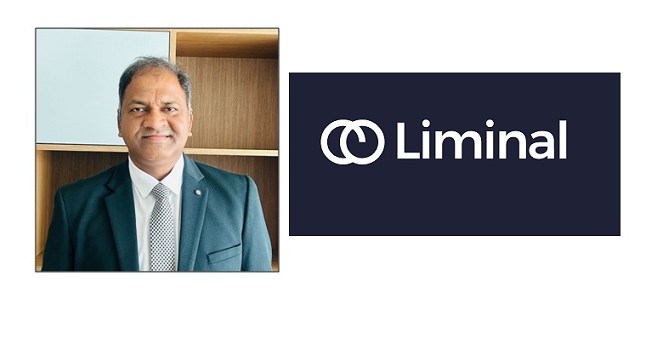
- By Ajit Thakur, Director – Head of Custody Operations at Liminal Custody
Introduction
With its potential for high returns, the digital asset landscape is drawing in both retail investors and institutional players. As adoption soars, the need for secure storage of these assets becomes paramount. This is where digital asset custody comes into play.
But before diving into why digital asset custody is necessary, let’s understand some nuances.
What is Digital Asset Custody?
Digital Asset Custody refers to the secure storage and management of digital assets by a regulated third-party provider. Unlike traditional assets in physical form or bank accounts, digital asset currencies exist on a decentralized ledger called a blockchain. Digital asset custody addresses the unique challenges of safeguarding private keys, which grant access to these digital assets.
There are two main approaches to digital asset custody:
- Self-custody: Here, investors manage their private keys using hardware or software wallets. While self-custody offers complete control over your assets, it requires significant technical expertise and carries the risk of loss or theft if private keys are compromised.
- Third-party custody: Investors opting for third-party custody entrust their digital assets to a custodian who employs robust security measures, including multi-sig wallets, cold storage, and advanced encryption. Third-party custody offers peace of mind but relinquishes some control compared to self-custody.
Importance of Digital Asset Custody
For both institutional and individual investors, digital asset custody is essential for mitigating the risks associated with self-custody. Custodians leverage sophisticated security measures to safeguard against hacks, internal threats, and physical theft. Reputable third-party custodians ensure regulatory compliance by adhering to AML and CFT guidelines and KYC/KYB regulations. Leading custodians like Liminal offer insurance coverage for digital assets, further mitigating risk. Beyond security, they provide convenience by streamlining digital asset management, facilitating transactions, and account administration.
The Role of Technology in Digital Asset Custody
Technology is the backbone of secure digital asset custody, constantly evolving to enhance security and efficiency. Blockchain forms the foundation, ensuring transparent and verifiable asset ownership through real-time tracking. Smart contracts, on the other hand, automate specific custody tasks, further tightening security and streamlining operations. Additionally, technologies like Multi-Party Computation (MPC) and Hardware Security Modules (HSM) continuously strengthen cryptographic security and key management practices within the crypto custody industry.
Key Features of Secure Digital Asset Custody Solutions
Security Measures: Reputable custodians employ a layered security approach, including:
- Multi-sig wallets: Transactions require multiple approvals, mitigating the risk of unauthorized access.
- Cold storage solutions: Digital assets are kept offline in secure vaults, minimizing online vulnerabilities.
- Encryption techniques: Advanced encryption protects data at rest and in transit.
Access Control: Strict access controls are implemented, including:
- Private key management: Custody solutions employ secure methods for storing and managing private keys.
- Role-based access control: User access is restricted based on specific roles and permissions.
Compliance and Regulatory Standards: Leading custodians adhere to:
- AML/CFT/KYC procedures: Preventing any illegal activities related to Money Laundering and Counter-Terrorist Financing (CFT) tainting the digital asset ecosystem.
- Jurisdictional regulations: Staying up-to-date with evolving jurisdictional regulations ensures compliance with local and international laws. This comprehensive approach fosters trust and transparency within the market.
Insurance and Risk Mitigation:
- Coverage options for digital assets: Providing financial protection in case of theft or loss or any unfortunate event, providing financial peace of mind
- Risk assessment strategies: Identifying and mitigating potential risks proactively.
Selecting the Right Custodian: A Secure Future for Your Digital Assets
Having explored the advantages and potential risks of digital asset custody, choosing a reliable third-party custodian to safeguard your investments is crucial. Here are critical best practices to guide your decision:
- Security: Meticulously evaluate the provider’s security protocols. Look for robust measures like multi-factor authentication, cold storage for most assets, and regular security audits by independent firms. Furthermore, inquire about their insurance coverage and its scope. A strong track record of fending off security threats is also vital.
- Fees: Custody services come with fees. Compare pricing structures across different providers to find one that aligns with your investment volume and activity level.
- Reputation: Research the provider’s experience and expertise in digital asset custody. Look for a custodian with a proven track record, a strong industry reputation, and a team with demonstrable knowledge of digital assets and security best practices.
- Customer service: Ensure the provider offers responsive and professional support.
- Compliance: Verify the provider’s adherence to relevant AML/KYC regulations and jurisdictional requirements.
Digital asset custody is critical in fostering trust and security within the digital asset ecosystem. As the industry matures and regulations are established, the importance of secure custody solutions will only continue to grow. By understanding the various custody options available, their benefits, and the factors to consider when selecting a custodian, investors can make informed decisions to safeguard their digital assets and participate confidently in this exciting and transformative space.
 UAE News 24/7